
-
Clean Pawder
Regular price $24.95 USDRegular priceUnit price per -
CareK9 Premium Organic Paw Wax Balm
Regular price $19.95 USDRegular priceUnit price per$19.95 USDSale price $19.95 USD -
Dexas Mudbuster
Regular price From $17.95 USDRegular priceUnit price per



Care Magazine · 7 min read The Complete Dog Paw Care Guide: Clean, Protect, and Heal
By CareK9 Team · Updated October 2026
Your dog's paws carry them everywhere — through mud, over hot pavement, across icy sidewalks, and along rocky trails. Yet paw care is one of the most overlooked parts of dog ownership. Most people don't think about their dog's paws until there's a visible problem: cracking, bleeding, limping, or constant licking.
This guide covers everything you need to know about keeping your dog's paws healthy year-round — from daily cleaning to seasonal protection to healing cracked pads.
Why Paw Care Matters More Than You Think
Dog paw pads are tough — they're designed to handle rough terrain. But they're not invincible. Here's what damages them:
- Hot pavement — asphalt can reach 150°F on a 75°F day. That's hot enough to burn paw pads in under 60 seconds.
- Ice and road salt — salt crystals wedge between pads and cause chemical burns. Many deicing products contain ethylene glycol, which is toxic if licked.
- Mud and bacteria — wet, dirty paws create a breeding ground for yeast and bacterial infections between the toes.
- Rough terrain — gravel, rocks, and thorns cause micro-cuts that can get infected.
- Dry air — indoor heating in winter and dry climates strip moisture from pads, causing cracks.
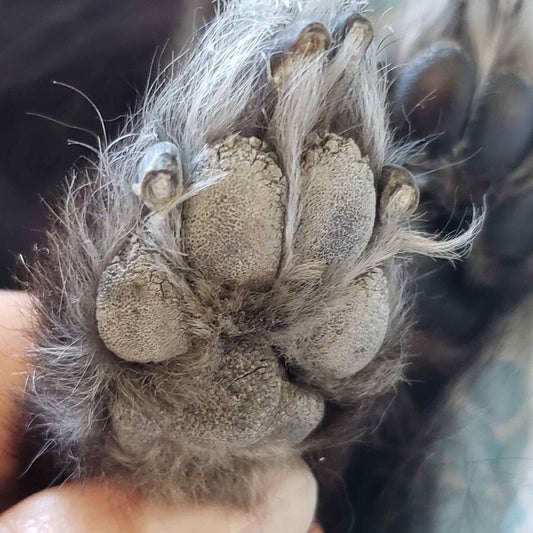
Healthy paws should feel smooth and slightly soft — like a firm leather glove. If they're rough, cracked, peeling, or your dog is licking them excessively, it's time to step up your paw care routine.
The 3-Step Paw Care Routine
A complete paw care routine has three parts: clean, dry, and protect. Think of it like your own skincare routine — cleanse, tone, moisturize. Each step builds on the last.
Step 1: Clean — Remove Dirt and Debris After Every Walk
The single most impactful thing you can do for your dog's paws is clean them after every walk. Mud, bacteria, lawn chemicals, and road salt sitting on the pads for hours cause irritation, infection, and long-term damage.
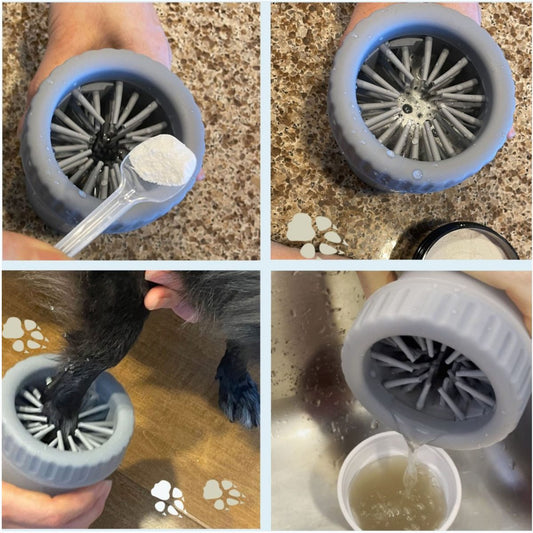
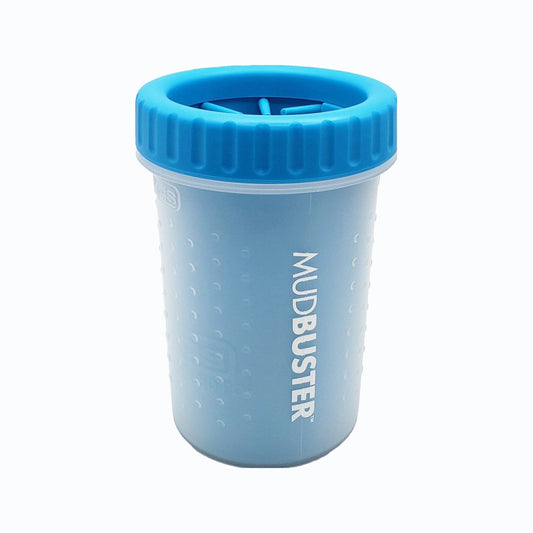
The fastest method is a portable paw cleaner like the Dexas MudBuster. Fill it with water, insert the paw, twist, done. 30 seconds per paw, no bath needed. It reaches between the pads where dirt really hides — something a towel can't do.
For a deeper clean, especially after walks on treated sidewalks or through questionable puddles, use a paw cleaning powder. CareK9 Clean Pawder contains kaolin clay (absorbs moisture and toxins), aloe vera (soothes irritation), and lavender (natural antimicrobial). Sprinkle it on after using the MudBuster, massage in, and brush off.
Step 2: Dry — Prevent Moisture Buildup
Wet paws are a breeding ground for yeast and bacteria. That "corn chip" smell many dogs have? That's a yeast overgrowth between the toes, caused by moisture trapped in the fur.
After cleaning:
- Pat paws thoroughly with a clean towel — don't rub, which can irritate
- Pay extra attention to between the toes — this is where moisture hides
- For dogs with long paw fur (Goldendoodles, Spaniels, Poodles), consider trimming the fur between pads to reduce moisture trapping
- A light dusting of paw powder after drying absorbs remaining moisture and keeps pads dry for hours
Step 3: Protect — Moisturize and Shield the Pads
Clean, dry paws still need protection — especially in extreme weather. A good paw balm creates a barrier that shields pads from hot pavement, cold ice, and rough surfaces, while moisturizing cracked skin from within.
CareK9 Organic Paw Balm is made with shea butter, coconut oil, hemp oil, and vitamin E. Apply a thin layer before walks for protection, or at bedtime for overnight healing. It's especially beneficial for:
- Senior dogs — aging pads lose elasticity and crack more easily
- Winter walks — creates a barrier against salt and ice
- Summer walks — protects against hot pavement burns
- Active dogs — hikers, trail runners, and working dogs who put heavy wear on their pads
Paw Powder vs. Paw Balm: What's the Difference?
They're not interchangeable — they serve different purposes in your paw care routine.
| Paw Powder | Paw Balm | |
|---|---|---|
| Purpose | Clean + dry + deodorize | Moisturize + protect + heal |
| When to use | After walks (post-cleaning) | Before walks or at bedtime |
| Texture | Dry powder | Thick balm/wax |
| Best for | Moisture, odor, bacteria | Cracks, dryness, burns, rough pads |
| Use together? | Yes — powder first (to clean/dry), then balm (to protect/heal) | |
Seasonal Paw Care Tips
Summer
Test pavement with the back of your hand — if you can't hold it there for 5 seconds, it's too hot for paws. Walk early morning or evening. Apply paw balm before walks on hot days. Watch for signs of burns: limping, licking, or visibly red/blistered pads.
Winter
Road salt is the biggest winter threat. Always clean paws after walks — even short ones. Apply paw balm before going out to create a salt barrier. Consider dog booties for extended walks in heavy salt or ice. Rinse paws with warm (not hot) water if they've been in salted areas.
Spring & Fall
Mud season means more frequent paw cleaning. Keep a MudBuster by the door. Allergens (pollen, grass) can irritate paws — dogs with seasonal allergies often lick their paws excessively. Regular cleaning removes allergens before they cause a reaction.
Signs Your Dog Has a Paw Problem
Watch for these warning signs:
- Excessive licking or chewing — often the first sign of irritation, allergies, or yeast infection
- Limping or favoring a paw — could indicate a cut, burn, or foreign object lodged between pads
- Red, swollen, or discolored pads — signs of infection or chemical burn
- Cracking or peeling skin — dryness that needs moisturizing with paw balm
- Foul odor from paws — yeast or bacterial overgrowth (the "Frito feet" smell)
- Bleeding — clean the wound, apply pressure, and see your vet if it doesn't stop
Most paw issues are preventable with a consistent clean-dry-protect routine. But if you notice persistent problems despite good care, consult your veterinarian — it could be an underlying allergy or skin condition.
Frequently Asked Questions
How often should I clean my dog's paws?
Ideally after every walk, especially in wet or dirty conditions. At minimum, do a quick wipe or MudBuster session after walks in mud, rain, or on treated sidewalks. In dry, clean conditions, a few times a week is sufficient.
Can I use human lotion on my dog's paws?
No. Human lotions often contain fragrances, alcohols, and chemicals that are toxic if ingested — and dogs lick their paws. Use a paw-specific balm made with dog-safe ingredients like shea butter, coconut oil, and beeswax or candelilla wax.
My dog won't let me touch their paws. What do I do?
Start slowly. Handle their paws briefly during calm moments (not after walks when they're excited). Reward with treats. Gradually increase the duration. Most dogs accept paw handling within 1-2 weeks of consistent, positive practice. A paw cleaner like the MudBuster is often easier for resistant dogs than manual wiping because it's faster and less intrusive.
Should I trim the fur between my dog's paw pads?
For breeds with long paw fur — yes. Excess fur between pads traps moisture, mud, ice balls, and debris. Use blunt-tipped scissors or a small trimmer to keep the fur level with the pads. Be careful not to cut the pads themselves.
Build your complete paw care routine.


