
-
Functional Dog Food Topper for Joint
Regular price $42.95 USDRegular priceUnit price per -
Functional Dog Food Topper Probiotic+ for Digestive Support & Immunity Health
Regular price From $28.95 USDRegular priceUnit price per

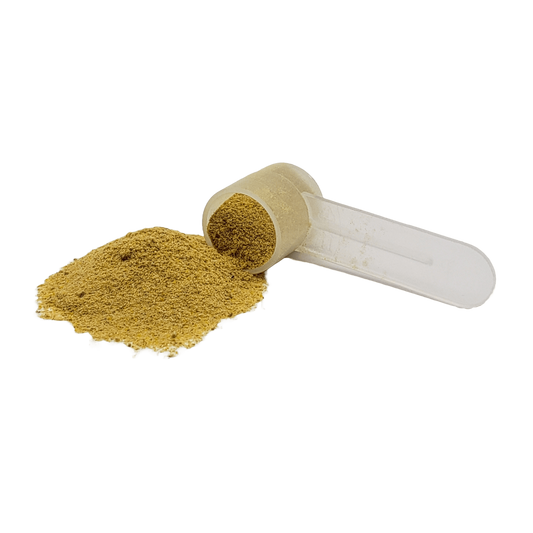

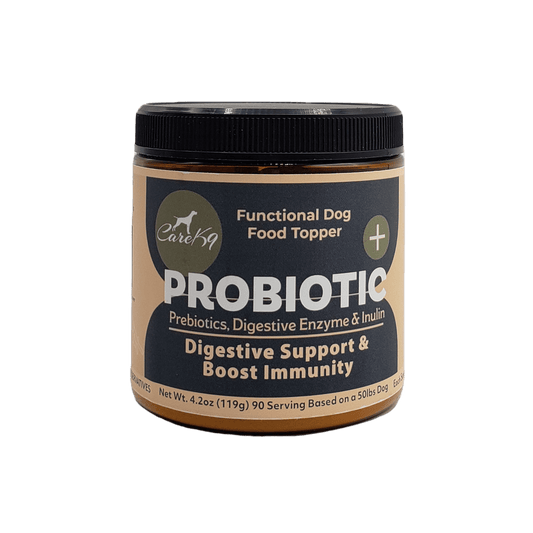
Care Magazine · 8 min read Dog Food Toppers: The Complete Buyer Guide (2026)
By CareK9 Team · Updated September 2026
If your dog is bored with kibble, struggling with joint stiffness, or showing signs of digestive trouble, a daily food topper can make a real difference. But not all toppers are created equal — most commercial options are loaded with fillers, low-grade meats, and artificial flavors that do more harm than good.
This guide explains what dog food toppers actually do, when they're worth using, and how to choose the right one for your dog's specific needs.
What Is a Dog Food Topper?
A food topper is exactly what it sounds like — a small amount of nutrient-dense food you sprinkle on top of your dog's regular meals. It's not meant to replace their food, but to enhance it with targeted nutrition and irresistible flavor.
The best toppers serve two purposes: they make boring kibble exciting again (essential for picky eaters), and they deliver functional nutrients — like glucosamine for joints, probiotics for digestion, or omega-3s for skin and coat — in a form your dog will actually eat.
When You Should Add a Food Topper
- Picky eaters: Dogs who walk away from their bowl or eat once a day. A topper makes food more appealing without switching brands.
- Senior dogs (7+ years): Aging dogs often lose appetite and lean muscle. Functional toppers add joint and immune support without changing their routine.
- Joint issues or large breeds: Labs, Goldens, German Shepherds, and other breeds prone to hip dysplasia benefit from daily glucosamine and chondroitin starting at age 5.
- Digestive sensitivity: Dogs with loose stool, gas, or yeasty ears often improve dramatically with probiotic + prebiotic toppers.
- Active or working dogs: Athletes need more calories, electrolytes, and joint support than the average pet.
- Recovery from illness or surgery: Functional toppers help rebuild appetite, muscle, and immune function during recovery.
The 3 Types of Functional Toppers
Most functional toppers fall into one of three categories. Choose based on what your dog needs most.
| Topper Type | Key Ingredients | Best For |
|---|---|---|
| Joint Support | Green-lipped mussel, turmeric, glucosamine | Senior dogs, large breeds, active dogs |
| Digestive + Immune | Probiotics, shiitake mushroom, prebiotics | Sensitive stomachs, yeast issues, low immunity |
| Coat + Skin | Omega-3, fish oil, vitamin E | Dull coat, itchy skin, dandruff |
Dog Food Topper for Joint Health: What to Look For
Joint health is the #1 reason owners reach for a topper, especially for senior dogs and large breeds. The key ingredient to look for is green-lipped mussel (Perna canaliculus) — a marine bivalve from New Zealand that contains naturally-occurring glucosamine, chondroitin, and omega-3 fatty acids in their most bioavailable form.
Synthetic glucosamine supplements work, but green-lipped mussel works better — multiple veterinary studies show measurable mobility improvement within 4-6 weeks of daily use. Add turmeric (with black pepper for absorption) and you get a natural anti-inflammatory pairing that rivals prescription joint medications without side effects.
CareK9's Joint Health Topper uses both — green-lipped mussel + turmeric + cracked black pepper — in a sprinkle-on form that even picky dogs eat happily.
How Long Until You See Results?
- Picky eating: Immediate. Most dogs eagerly eat topped meals from day one.
- Digestive improvement: 1-2 weeks for firmer stool, less gas, calmer stomachs.
- Coat shine: 3-4 weeks for visible coat improvement.
- Joint mobility: 4-6 weeks for noticeably easier movement; 8-12 weeks for full results in chronic cases.
- Immune support: 6-8 weeks for measurable change (fewer infections, better recovery).
Red Flags: What to Avoid in Food Toppers
Walk into any pet store and you'll find dozens of "premium" toppers loaded with red flags:
- "Meal" ingredients (chicken meal, beef meal): low-grade by-products, not whole meat.
- Artificial colors and flavors: serve no nutritional purpose. Often linked to behavioral issues and allergies.
- Sugar or syrup: dogs don't need sweeteners. Contributes to obesity and dental issues.
- Fillers (corn, wheat, soy): cheap calories with low nutritional density. Common allergens.
- Vague "natural flavor": a regulatory loophole that can hide anything from MSG to artificial seasoning.
If the ingredient list is more than 6-8 items long, or you can't pronounce half of them, it's not a real functional topper — it's a snack with marketing.
How to Use a Food Topper
- Start small: 1/2 teaspoon for small dogs, 1 teaspoon for medium, 1-2 teaspoons for large dogs.
- Sprinkle, don't mix: The visual appeal matters for picky eaters.
- Add a few drops of warm water: Activates aroma, especially with dried toppers. Most dogs respond strongly to scent.
- Use daily for results: Functional toppers work best with consistent daily use — not as occasional treats.
- Adjust portions: Toppers add calories. Reduce kibble slightly if your dog gains weight.
Are Food Toppers Worth the Cost?
A high-quality functional topper costs $40-50 for a 1-2 month supply. Compare that to:
- A vet visit for digestive issues: $150-300.
- Prescription joint medication: $40-80/month, with side effects.
- Switching to premium kibble: $80-120/month difference.
For most dogs — especially seniors, large breeds, and dogs with chronic issues — a functional topper is the highest-impact change you can make to their daily diet without overhauling their food entirely.


