


By CareK9 Team · Updated October 2026
Quick answer: Dogs with sensitive skin, yeast issues, or allergies often react badly to traditional shampoos. The safest bathing method is a pH-balanced, soap-free dissolving bath tablet that cleans without stripping the skin's protective barrier. Bathe every 2-4 weeks (not weekly), in lukewarm water, with no rinsing required.
If your dog scratches more after baths than before, has flaky skin, recurring yeast, or red patches that come back no matter what shampoo you try — the shampoo itself is probably the problem.
Most commercial dog shampoos contain detergents (sodium lauryl sulfate, cocamidopropyl betaine), fragrances, and preservatives that strip the natural oil barrier on dog skin. For dogs without skin issues, this is fine. For dogs with allergies, sensitive skin, or any underlying skin condition, it's a slow-motion disaster.
Why Most Dog Shampoos Hurt Sensitive Skin
Dog skin is far thinner than human skin (3-5 cell layers vs our 10-15) and has a different pH (6.5-7.5 vs our 4.5-5.5). A shampoo formulated for one is wrong for the other. Even "natural" or "puppy-safe" shampoos often contain:
- Detergents that strip protective oils, leaving skin vulnerable to bacteria and yeast
- Fragrances — the #1 cause of contact dermatitis in dogs
- Preservatives like methylisothiazolinone (MI) linked to skin reactions
- Wrong pH — even slightly acidic shampoos can irritate already-compromised skin
Signs Your Dog's Skin Is Reacting to Shampoo
- More scratching after baths, not less
- Red, raw patches in skin folds or behind ears
- Dandruff or flaky skin within days of bathing
- "Corn chip" smell returning quickly after a bath (yeast bouncing back)
- Greasy coat that feels worse, not better, after washing
- Hot spots or chewing at specific areas post-bath
The Soap-Free Bath: How Bath Tablets Work
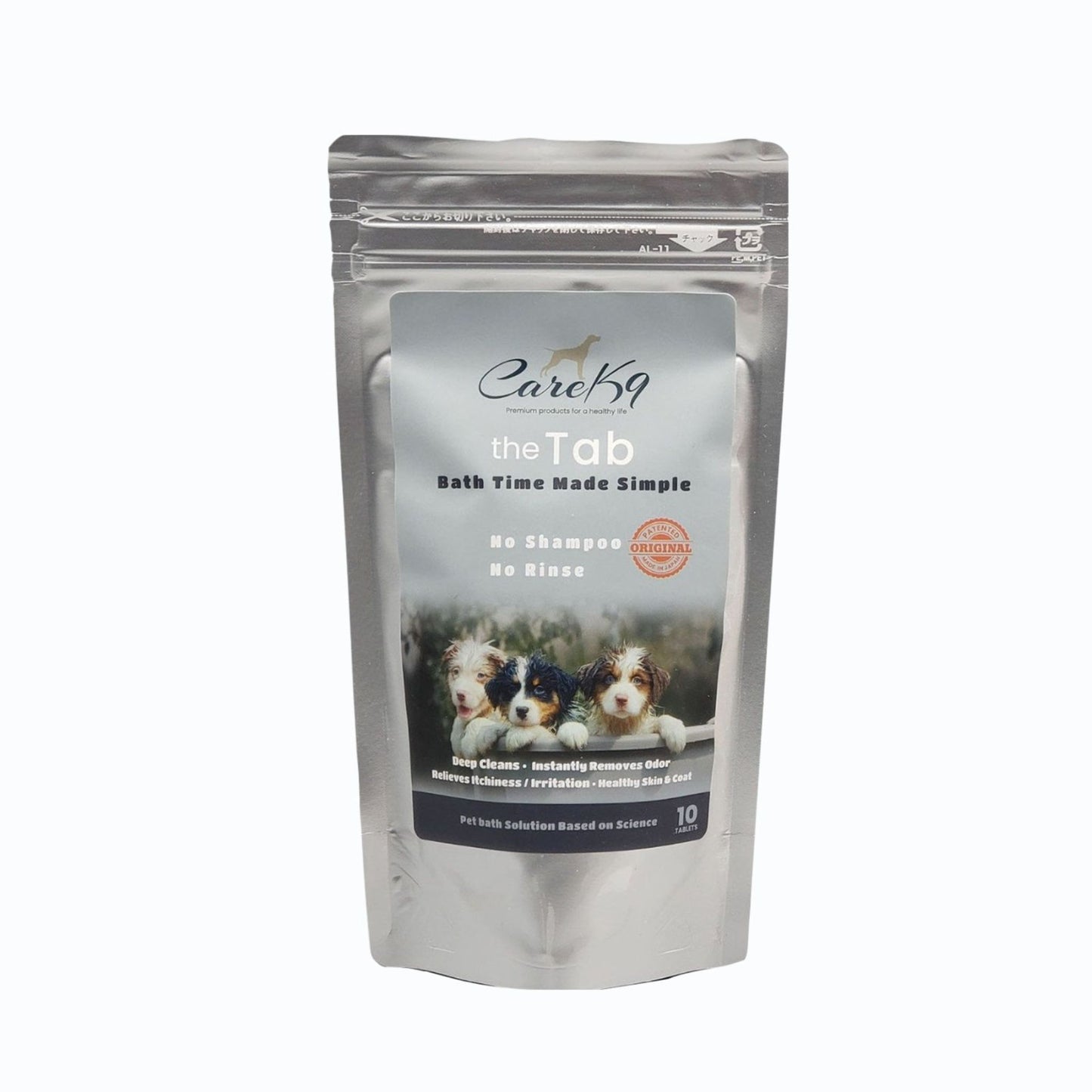
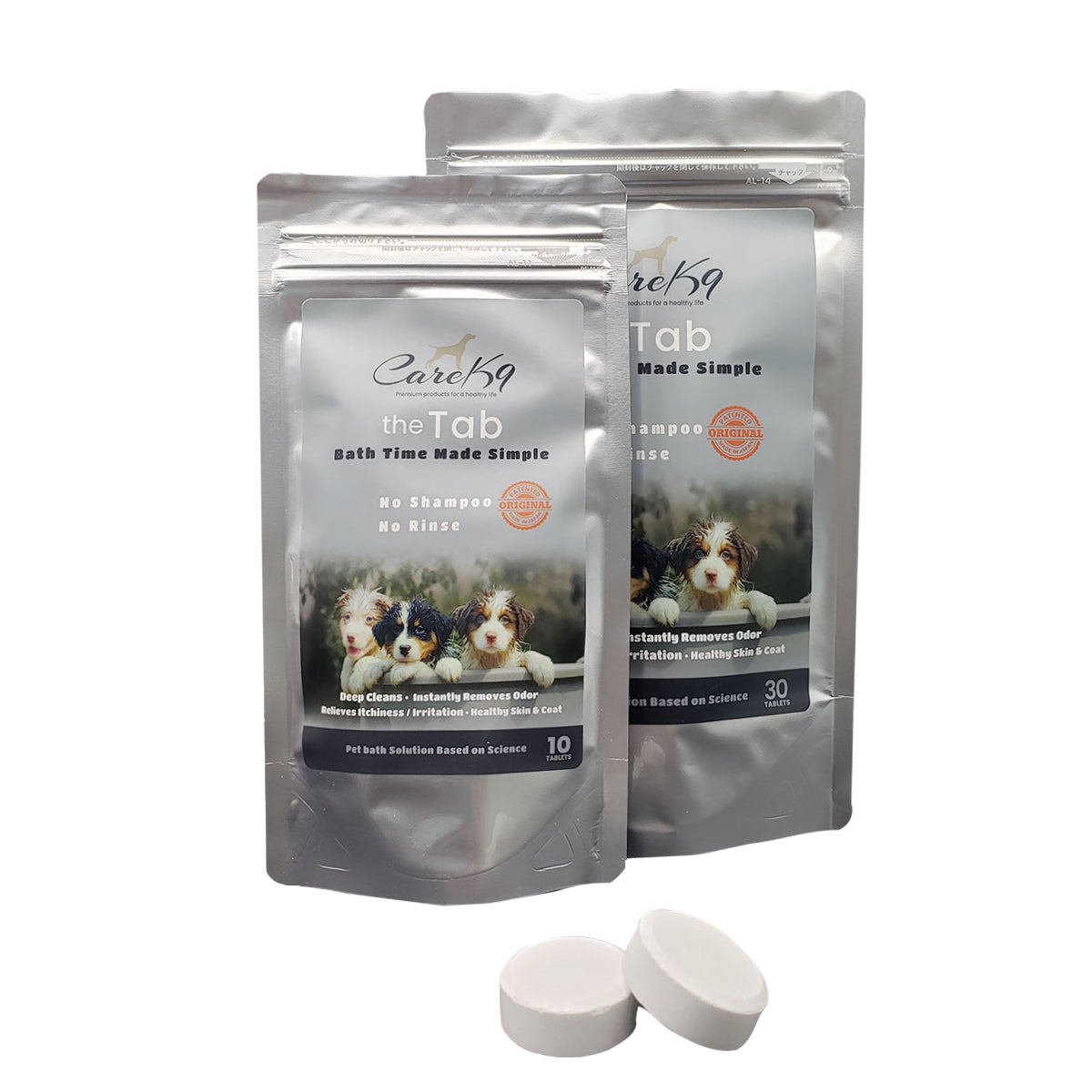
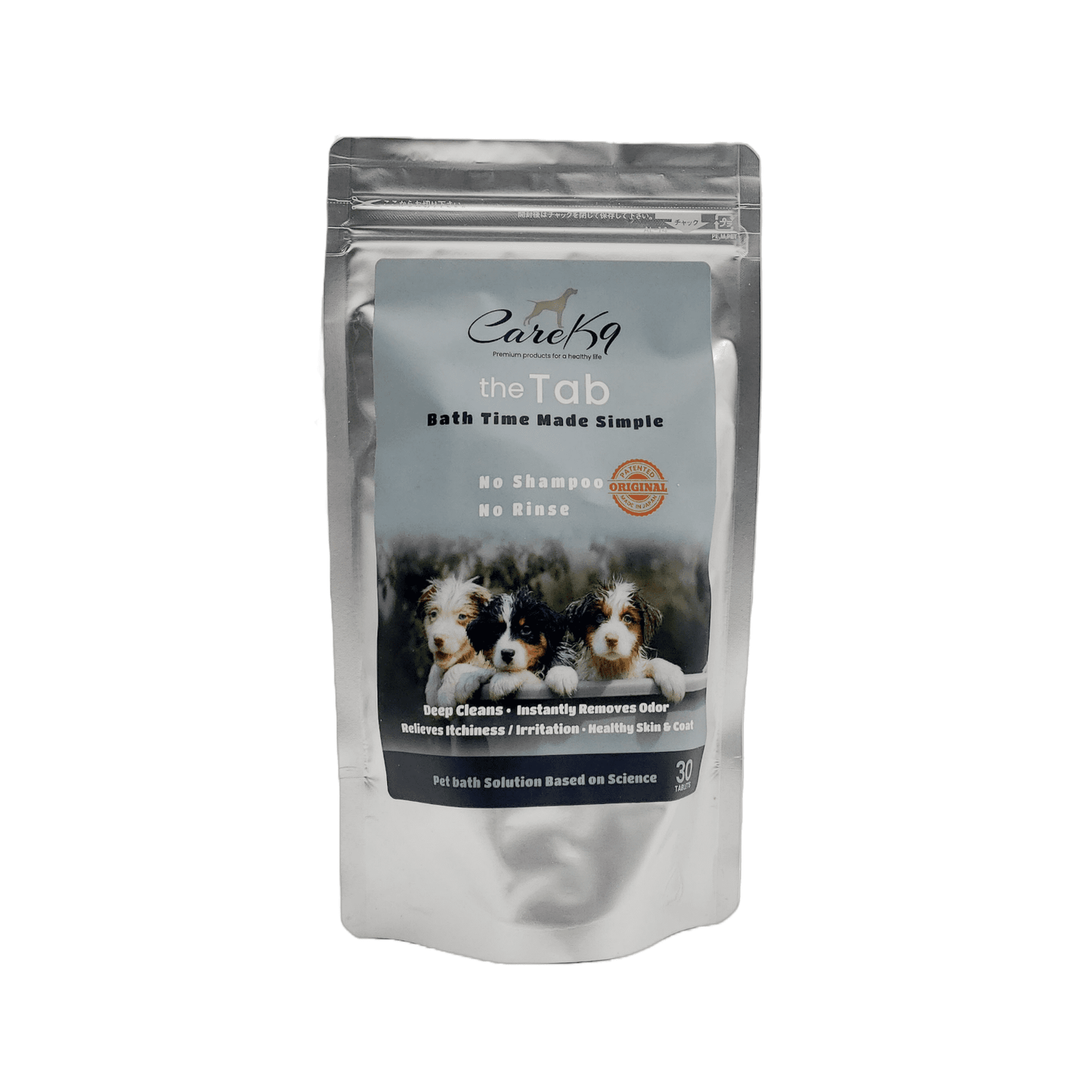
A bath tablet is a dissolvable, pH-neutral cleanser shaped like an effervescent vitamin tablet. Drop it in warm water, it dissolves into a gentle solution that cleans the coat through ionic action rather than detergent action. CareK9 Bath Tablets are made specifically for dogs with skin sensitivity:
- No soap, no detergent — won't strip natural oils
- pH-balanced for dog skin (6.5-7.5)
- Fragrance-free — no allergens added
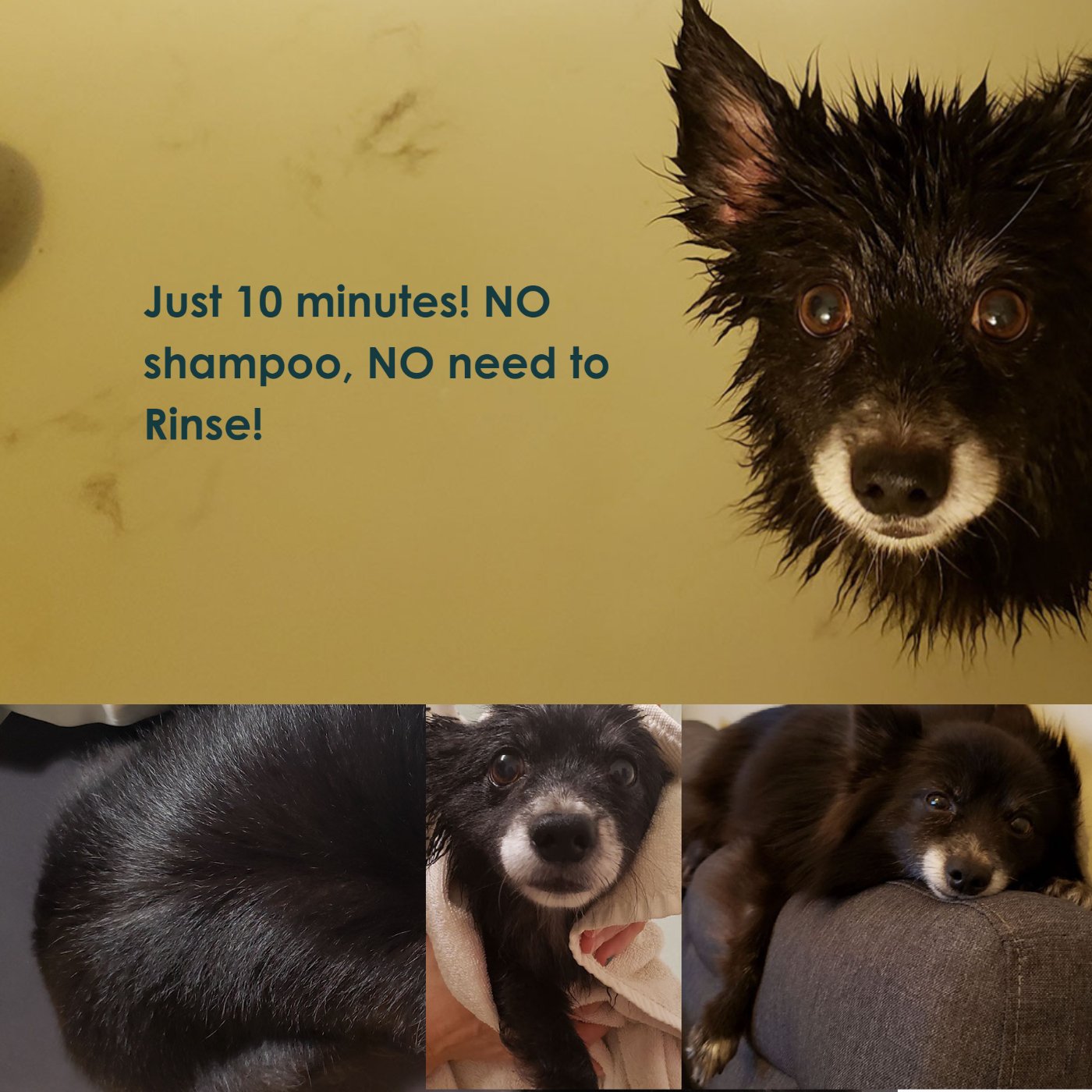
- No rinsing needed — solution is safe to leave on the coat as it dries
Step-by-Step: Bathing a Sensitive-Skin Dog
- Brush first. Removes loose fur and surface debris so the bath water doesn't get re-deposited on the coat.
- Fill a tub with lukewarm water — enough to submerge legs and belly. Test temperature on your wrist (should feel neutral, not warm).
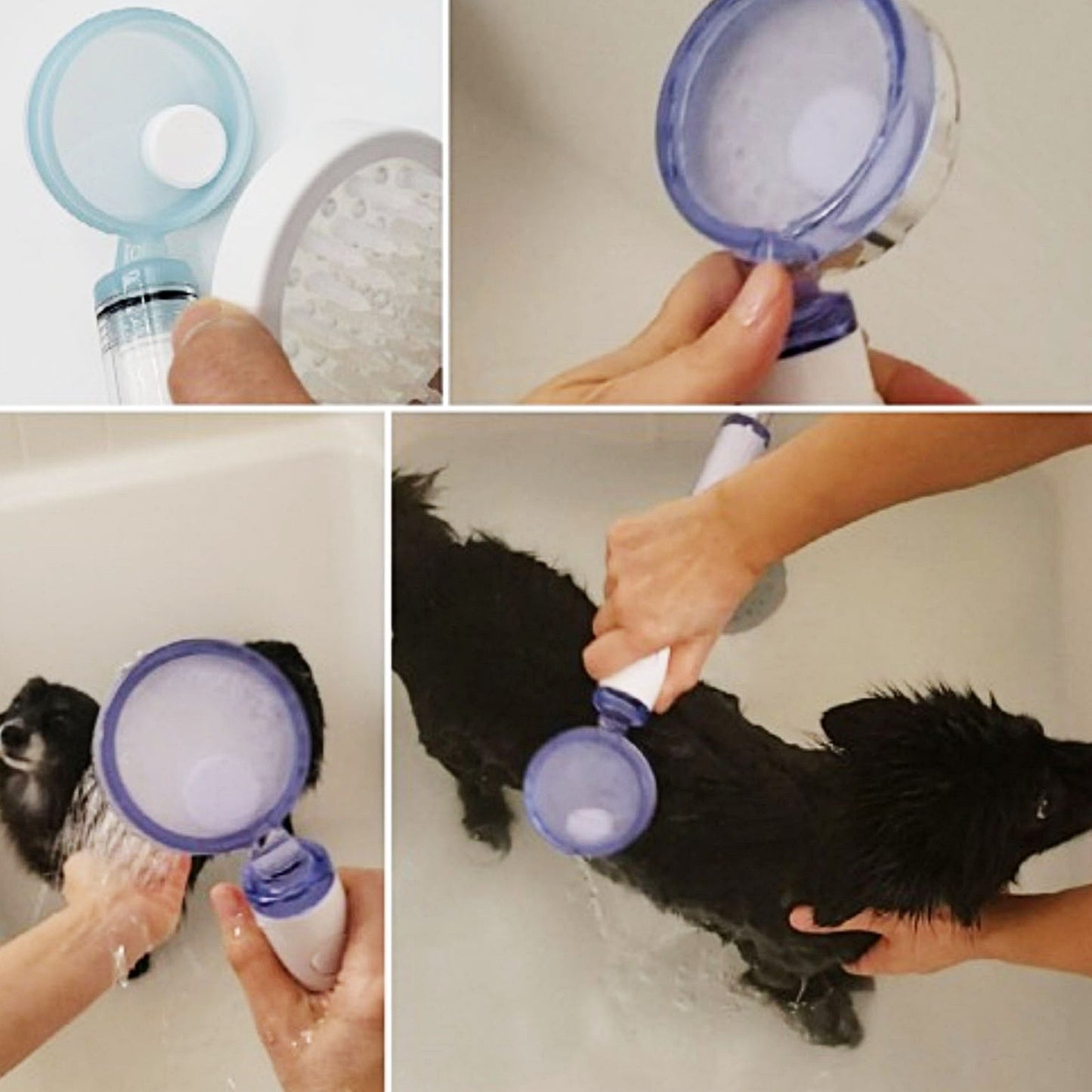
- Drop in one bath tablet. Wait 1-2 minutes for full dissolution.
- Place your dog in the water. Use a cup or your hands to pour solution over their back, neck, and head (avoid eyes).
- Let them soak 5-10 minutes. Gently massage the coat — no scrubbing.
- Remove and towel dry. No rinsing required. Pat dry, especially in skin folds and between paw pads.
- Apply a moisture-absorbing powder like Clean Pawder between the toes to prevent yeast in damp areas.
How Often Should Sensitive Dogs Be Bathed?
Less than you think. Over-bathing is the #1 cause of skin issues in dogs with sensitive skin.
- Mild sensitivity: Every 3-4 weeks
- Yeast-prone dogs: Every 2 weeks with bath tablets, then daily paw powder
- Allergy-prone dogs: Every 2 weeks during allergy season (pollen rinse), every 4 weeks otherwise
- Hot spot prone: Spot-treat affected areas; full bath every 3-4 weeks
Between baths, wipe paws after walks and use a damp cloth to spot-clean dirty areas.
What If Bath Tablets Don't Fully Work?
If your dog's skin issues persist after switching to soap-free bathing for 4-6 weeks, the problem may not be the bath products. Common other causes:
- Food allergies — chicken, beef, and grains are the most common triggers. Work with your vet on an elimination diet.
- Environmental allergies — pollen, dust mites, grass. Often need vet-prescribed antihistamines.
- Yeast overgrowth — often diet-related (high carb diets feed yeast). Lower carbs + topical antifungal.
- Bacterial infection — needs vet antibiotics.
If symptoms persist after 6 weeks of consistent soap-free bathing, see a vet for a skin scrape and dietary review.
Frequently Asked Questions
Can puppies use bath tablets?
Yes, from 8 weeks old. The soap-free, pH-balanced formula is actually safer for puppies than most "puppy shampoos" which still contain detergents. Use warm (not hot) water and 1 tablet per bath.
Do bath tablets work for yeasty dogs?
Yes — they're often the first improvement step. Yeast thrives when the skin barrier is compromised (as it is after detergent shampoos). Switching to bath tablets removes the trigger. Combine with paw powder for daily yeast control between baths.
How many tablets per bath?
One tablet for dogs under 40 lbs, two for larger dogs. Use less rather than more — the solution is concentrated enough.
Are bath tablets safe if my dog licks the water?
Yes. CareK9 bath tablets use food-grade ingredients with no detergents, alcohols, or harmful preservatives. Small accidental ingestion is harmless. Don't intentionally let dogs drink it though — it's not designed as a beverage.
What about between-bath cleaning for sensitive dogs?
For paws after walks: a MudBuster with plain water (no soap). For dirty patches on the coat: a damp microfiber cloth. Avoid wipes labeled "antibacterial" — they often contain irritating preservatives.
No soap. No scrubbing. No skin reactions.
Designed for sensitive-skin dogs.
Shop Bath Tablets — From $10.95